

How to Stop Relationship Anxiety: A Gentle, Culturally Aware Guide
Feeling anxious in your relationship? You're not alone. Many people struggle with worry and fear in their romantic partnerships, even when things seem to be going well.
Relationship anxiety shows up as constant overthinking, fear of loss, or needing repeated reassurance from your partner. It can make you question everything: Does my partner really love me? Will they leave? Am I good enough?
These feelings are real and valid. They don't mean you're broken or that your relationship is doomed. At Therapy With Zainab, I understand how difficult these experiences can be. This guide will help you understand relationship anxiety and give you practical tools to work through it.
What Is Relationship Anxiety?
Relationship anxiety is persistent worry and fear about your romantic partnership. It goes beyond normal concerns about your relationship.
Common experiences include:
Overthinking everything your partner says or does. You analyze their texts, tone, and facial expressions for hidden meanings.
Fearing they will leave you. Even when they show love and commitment, you can't shake the feeling they'll abandon you.
Doubting their feelings. You question whether they truly love you, no matter how many times they say it.
Feeling like you're not enough. You worry you're not attractive enough, interesting enough, or worthy of their love.
This anxiety differs from healthy relationship awareness. Being thoughtful about your partnership is normal. But when worry takes over your thoughts and affects your daily life, it becomes a problem.
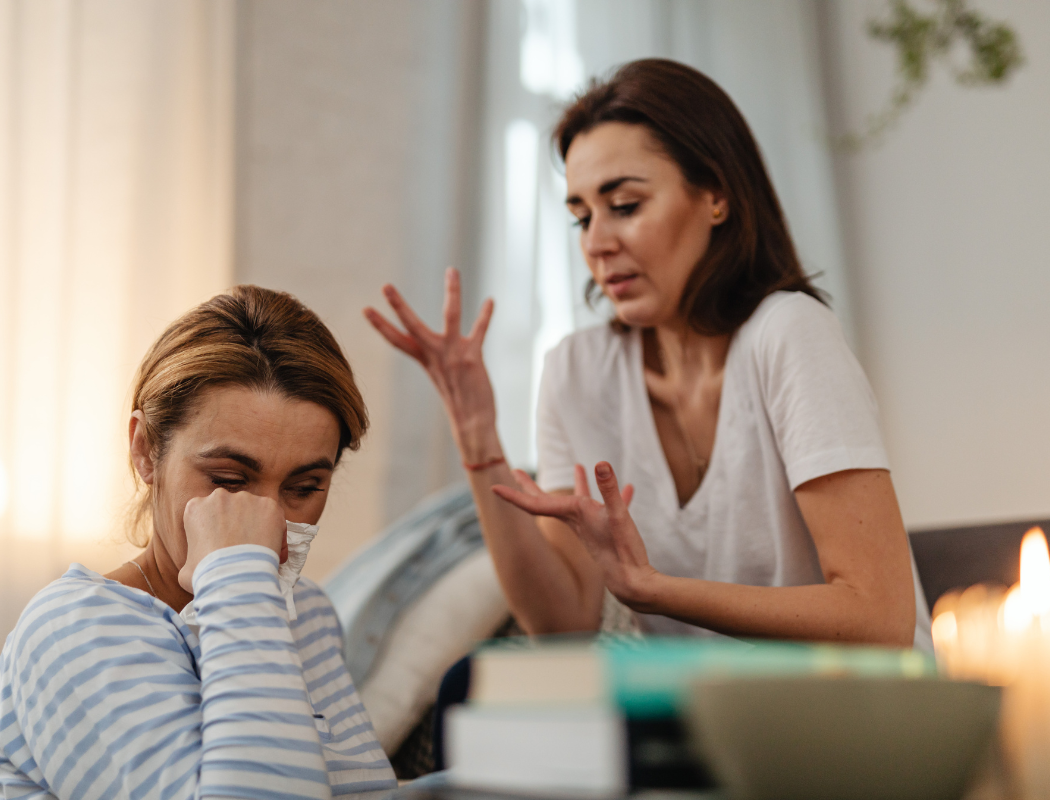
Signs You May Be Experiencing Relationship Anxiety
Recognizing relationship anxiety is the first step toward healing. Here are common signs:
Constant reassurance seeking. You frequently ask your partner if they still love you. After they reassure you, relief lasts only briefly before the doubt returns.
Fear of being left or replaced. You worry your partner will find someone better. When they talk to others, you feel threatened.
Over-analyzing texts or tone. You read into every message. A period instead of an exclamation mark means they're upset.
Difficulty trusting. Even when your partner gives you no reason to doubt them, trust feels impossible.
Feeling triggered by distance or silence. When your partner needs space or quiet time, you panic. Their need for independence feels like rejection.
Physical anxiety symptoms. Your body responds with racing heart, stomach problems, trouble sleeping, or tension headaches.
If several of these signs resonate with you, relationship anxiety might be affecting your partnership.
Why Relationship Anxiety Happens
Understanding the roots of your anxiety helps you address it with compassion. Here are common causes:
Attachment Patterns
How your caregivers treated you as a child shapes how you relate to romantic partners. If your parents were sometimes loving and sometimes distant, you learned that care is unpredictable. This creates anxious attachment.
Past Trauma or Betrayal
If a previous partner cheated, lied, or left suddenly, those wounds affect new relationships. Your brain tries to protect you from being hurt again.
Low Self-Worth
When you don't value yourself, you struggle to believe others can value you. You assume your partner will eventually realize you're not worth loving.
Lack of Emotional Safety Growing Up
If you couldn't express feelings freely as a child, you learned to hide your true self. This makes vulnerability in adult relationships terrifying.
How Cultural and Faith Context Can Influence Relationship Anxiety
If you come from a South Asian, Muslim, or culturally conservative background, additional factors may contribute to your relationship anxiety.
Expectations Around Marriage
Many cultures view marriage as a union between families and communities. This adds pressure to make the "right" choice.
Fear of Bringing Shame
In collectivist cultures, individual choices reflect on the entire family. This can make relationship decisions feel incredibly heavy.
Pressure to Make Relationships Perfect
When cultural expectations are high, you might feel your relationship must be flawless. Any conflict or doubt feels like failure.
Guilt About Boundaries
Setting boundaries with family about your relationship can trigger intense guilt. You might feel selfish for prioritizing your needs.
Understanding these cultural factors helps you see where your fears come from and address them with compassion.
How to Stop Relationship Anxiety: Practical Steps
You can reduce relationship anxiety with consistent practice. Here are gentle, actionable tools:
1. Notice and Name the Anxiety
When worry starts, pause and acknowledge it. Say to yourself: "I'm feeling anxious right now." This creates distance between you and the anxiety.
2. Challenge Overthinking Patterns
Anxious thoughts often aren't facts. When anxiety strikes, ask yourself:
What actual proof do I have for this worry?
Am I jumping to conclusions?
Is there another way to interpret this?
3. Create Emotional Safety for Yourself
You can soothe yourself. Try these grounding techniques:
Breathe in for four counts, hold for four, breathe out for six
Notice five things you see, four you can touch, three you hear
Take a walk or stretch
4. Communicate Openly and Calmly
Share your feelings without blaming your partner. Use "I" statements.
Instead of: "You never text me first. You don't care about me."
Try: "I feel more secure when we stay in touch during the day. Can we talk about what works for both of us?"
5. Slow Down Reactions
Before acting on anxious urges, pause. Take several deep breaths. Wait 10 minutes before sending that text. Often, the urge passes.

6. Learn to Tolerate Uncertainty
You cannot control everything in your relationship. Accepting this truth brings peace. Practice sitting with uncertainty instead of trying to eliminate it.
7. Build Self-Worth Independent of the Relationship
Your value doesn't come from your partner. Strengthen your sense of self by pursuing hobbies, maintaining friendships, and spending time alone comfortably.
How Therapy Helps with Relationship Anxiety
Working with a therapist offers powerful support for relationship anxiety. Professional help can address these concerns in ways that self-help alone sometimes cannot. When you work one-on-one with a therapist through individual therapy, you explore personal patterns driving your anxiety. You'll look at childhood experiences, past relationships, and beliefs about yourself that fuel current fears. This focused support allows deep emotional healing.
If anxiety affects both you and your partner, working together through couples therapy can be transformative. A therapist helps you both understand each other's attachment needs and communicate more effectively. You learn to support each other while working on the relationship as a team.
Sometimes relationship anxiety connects to broader family dynamics or cultural expectations. In these situations, family therapy creates space to address these influences with family members present. This can be especially valuable for those navigating cultural pressures around relationships and marriage.
Therapeutic Approaches That Help
Cognitive Behavioral Therapy (CBT) helps you identify and change unhelpful thought patterns.
Acceptance and Commitment Therapy (ACT) teaches you to accept uncomfortable feelings while taking action toward your values.
Emotionally Focused Therapy (EFT) focuses on attachment and helps you create secure emotional bonds.
Mindfulness practices train you to stay present rather than getting lost in anxious thoughts.
EMDR can help heal trauma that contributes to relationship fears.
When to Seek Professional Support
Consider reaching out to a therapist if relationship anxiety:
Affects your daily life and ability to function
Creates constant conflict in your relationship
Triggers panic attacks or overwhelming emotions
Makes you feel hopeless about your relationship
You don't have to wait until anxiety becomes severe. Early support prevents patterns from becoming more entrenched.
Frequently Asked Questions
Is relationship anxiety normal?
Some anxiety in relationships is common, especially during transitions or conflict. But persistent, overwhelming anxiety that affects your daily life isn't something you have to accept. It can be addressed and reduced.
Can anxiety ruin a relationship?
Unmanaged anxiety can strain a relationship through constant reassurance seeking, difficulty trusting, or emotional reactivity. However, when you actively work on your anxiety, many relationships not only survive but grow stronger. Understanding and addressing the issue early prevents more serious problems.
How do I stop being anxious in my relationship?
Start with the practical steps outlined above: notice your anxiety, challenge anxious thoughts, practice self-soothing, communicate clearly, and build self-worth. Professional therapy accelerates this process by providing personalized support and tools. Progress takes time, so be patient with yourself.
Will therapy help me stop overthinking?
Yes. Therapy teaches you to recognize overthinking patterns and provides specific techniques to interrupt them. CBT is particularly effective for this. You'll learn to distinguish between helpful reflection and harmful rumination.
What is a gut feeling in relationships?
A gut feeling is an intuitive sense about your relationship. It's important to distinguish between genuine intuition (which is usually calm and clear) and anxiety (which is urgent and panicky). Anxiety often disguises itself as intuition. A therapist can help you learn the difference.
You Don't Have to Navigate This Alone
Relationship anxiety can feel overwhelming, but you don't have to struggle with it by yourself. I offer culturally sensitive, faith-aware therapy to help you build emotional security and clarity in your relationships.
Whether you're working through past trauma, attachment wounds, or cultural pressures, we'll create a safe space to explore what's driving your anxiety and develop practical tools for healing.
You deserve a relationship where you feel secure, valued, and able to be yourself.
Ready to take the first step? Book a free consultation to discuss how therapy can support you, or contact me to learn more about my approach.
Your journey toward emotional peace and relationship security can start today.